
Defense
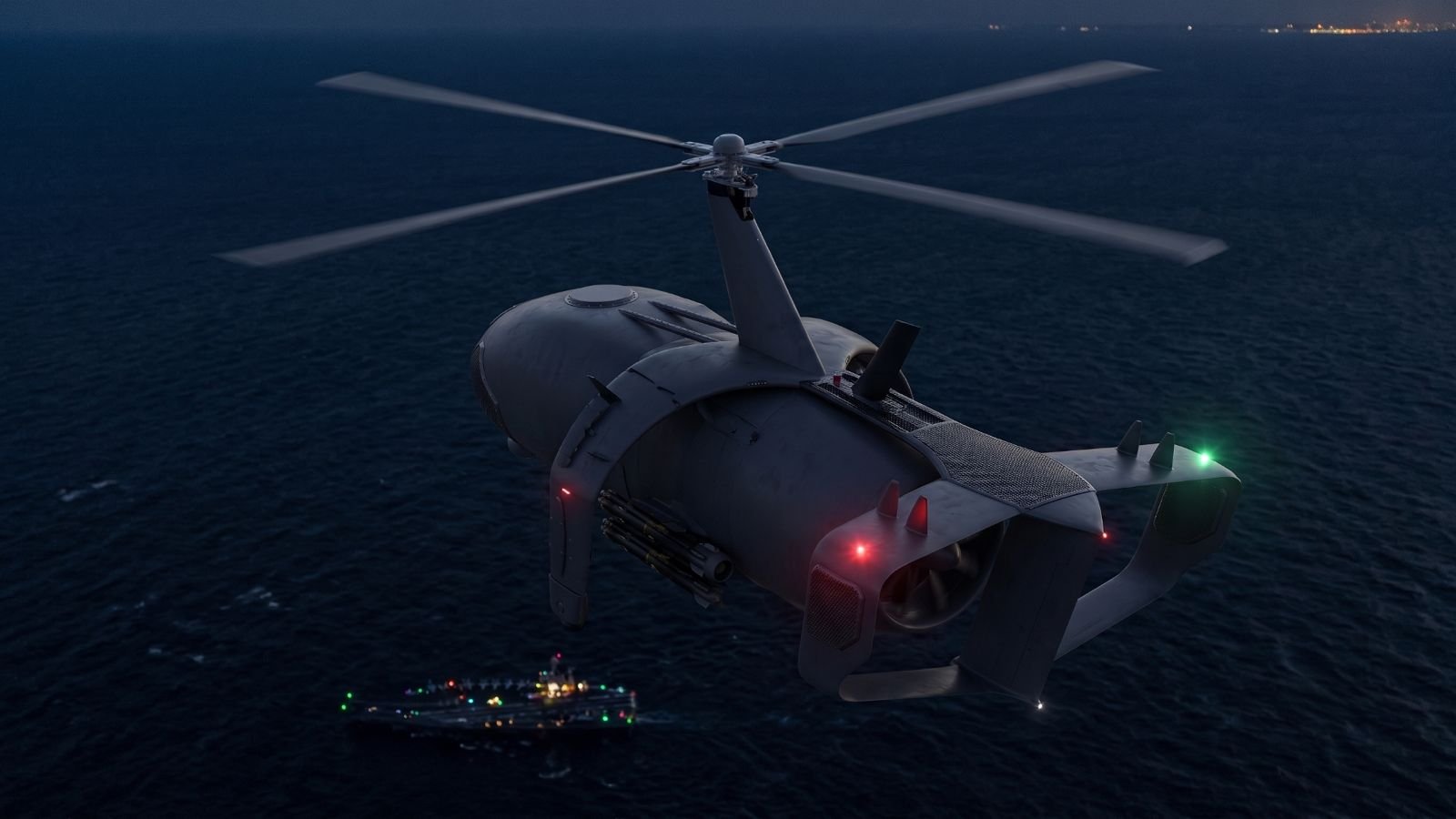
MT-1 eVTOL
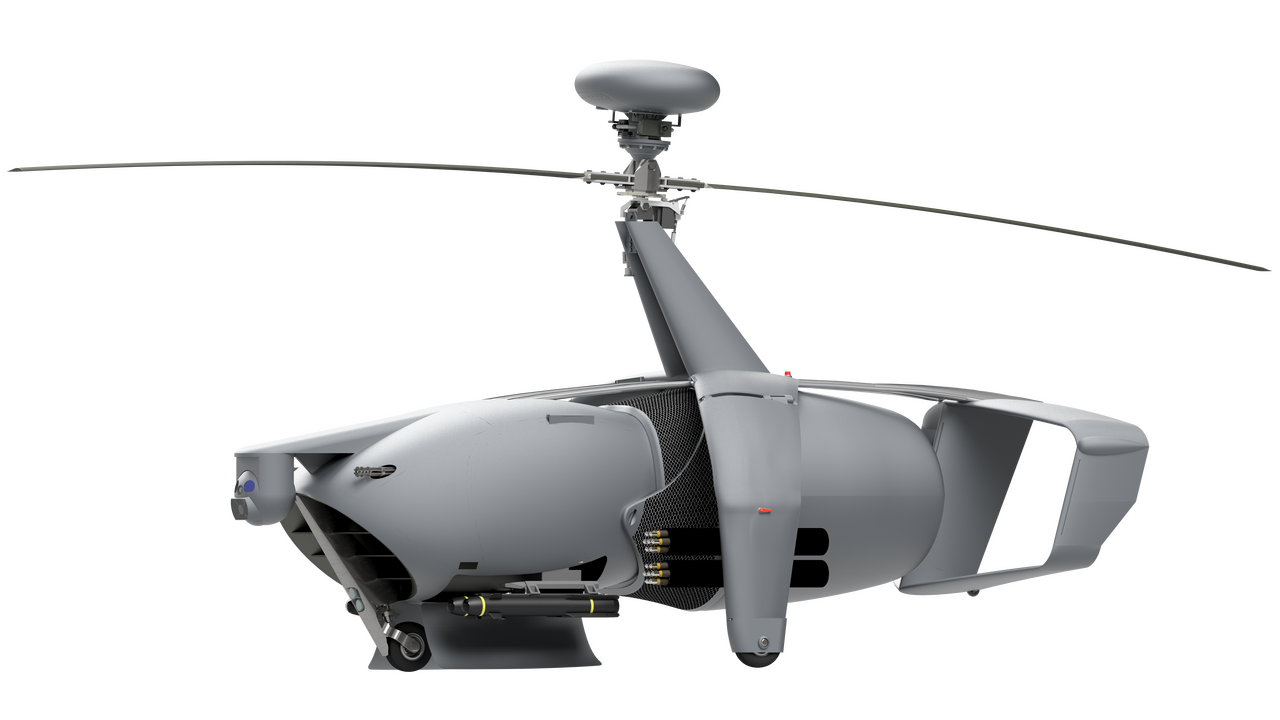
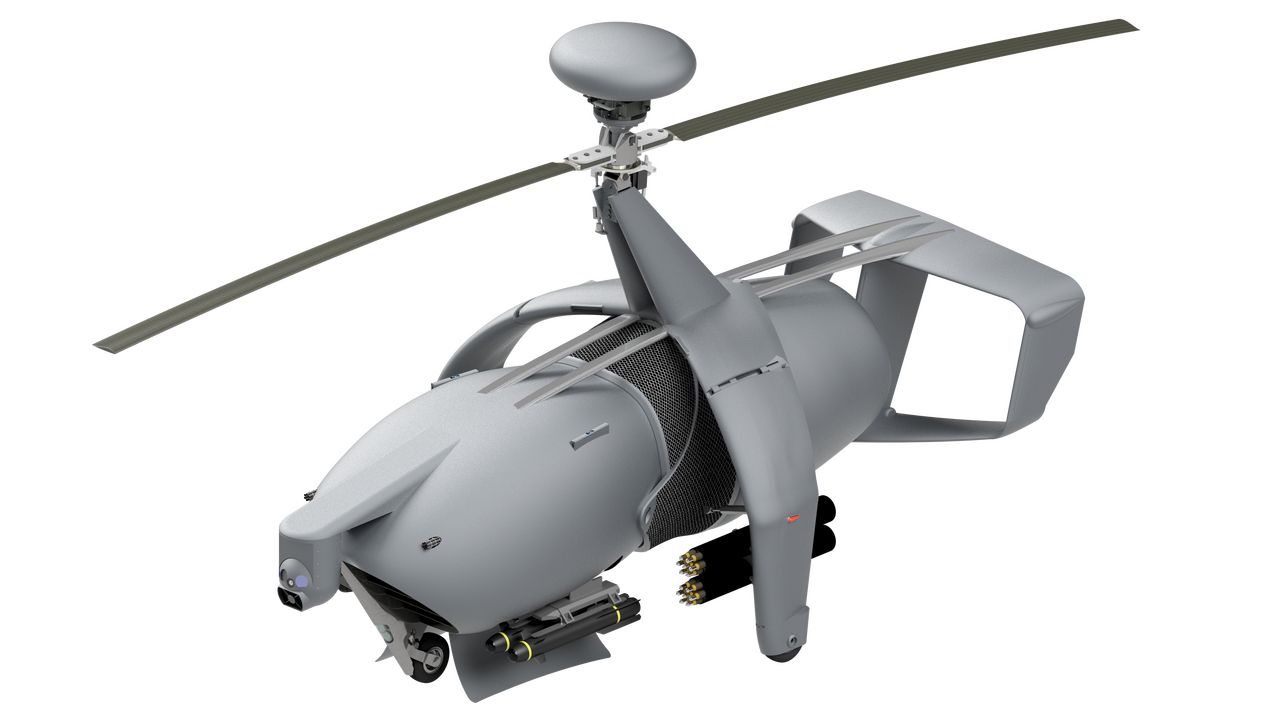
MT-1 Electric Tactical Stealth Aircraft (eTSA)
- Cruising speed: 154 mph
- Range (non-stop): 349 miles (303 NM)
- Fly time capacity: 135 min
Cargo Capacity Seats 4 or 400 kg payload
Lightweight Rotorcraft (1320 kg) MTOW
Swapable Batteries externally-ventilated lithium-ion packs
Fly By Wire (no mechanic connections in the flight controls)
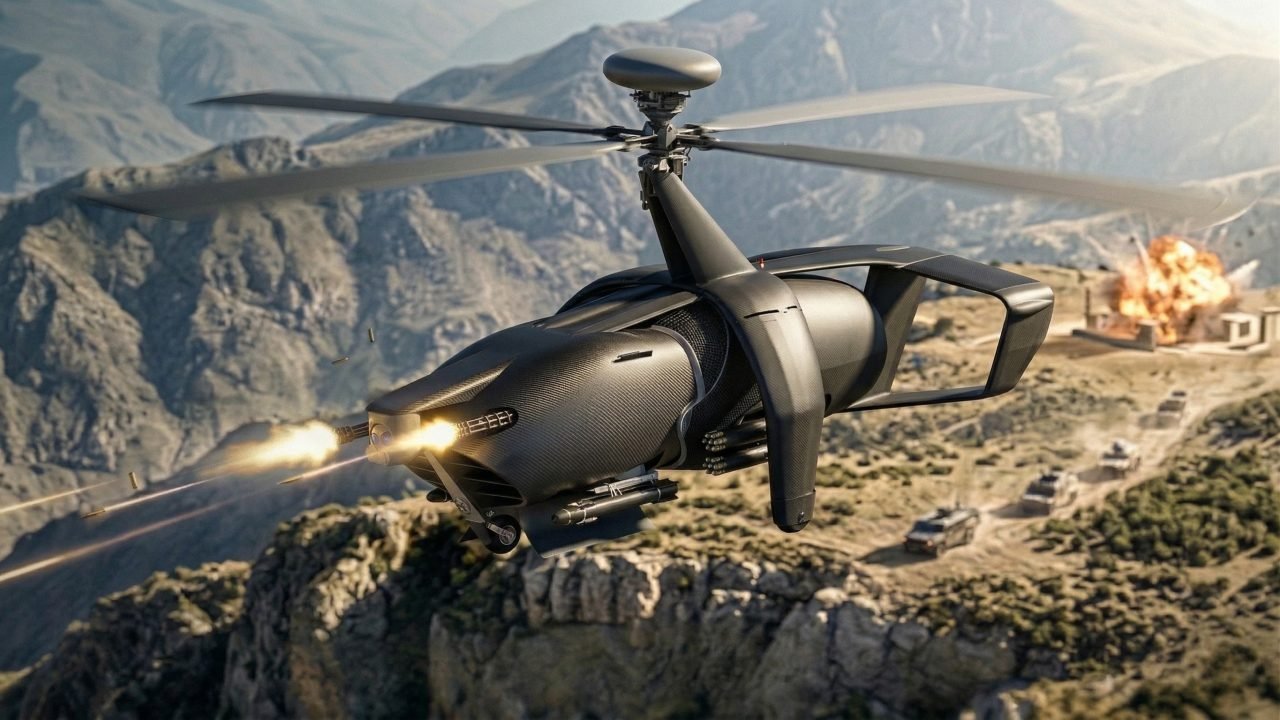

Flexible Platform to Detect, Track, Protect and Attack Elusive Objects
- Cabin/payload area is configurable to take internal cargo, or more batteries to extend the range.
- Build to be stealthier
- Near zero heat signature
- Lower noise
- Lower radar signature
Mission Equipment Cargo Capacity
Capable of caring internal and external mission equipmentup to 400 kg [881 lb.].
Defense Aviation
Problem
- Safety: Traditional eVTOLs and VTOLs will fall if the propulsion system fails, is shot down, or if the battery runs out of energy — there is no safe recovery.
- High Cost: Current eVTOLs and VTOLs are extremely expensive to purchase, certify, and operate.
- High Visibility: Traditional helicopters produce significant noise, emit jet engine heat easy to target, and carry high radar signatures.
- Infrastructure Reliance: Multicopter eVTOLs require dedicated vertiport infrastructure to land and recharge, limiting operational flexibility.
- Slow Deployment: Defense customers wait years for OEMs to fulfill large aircraft orders, limiting rapid force deployment.
Solution
- Safety: The MT-1 always autorotates — it lands safely even with complete propulsion failure or battery depletion.
- Low Cost: The MT-1 is a low-cost manufacturing, certification, operation and maintenance.
- Stealth by Design: Ultra-low noise, near $0$ heat signature, and low radar profile engineered into the MT-1 from the ground up.
- Infrastructure Independent: The MT-1 can land anywhere is safe, we hot swap the batteries instead of connecting the aircraft, we do not need a vertiport.
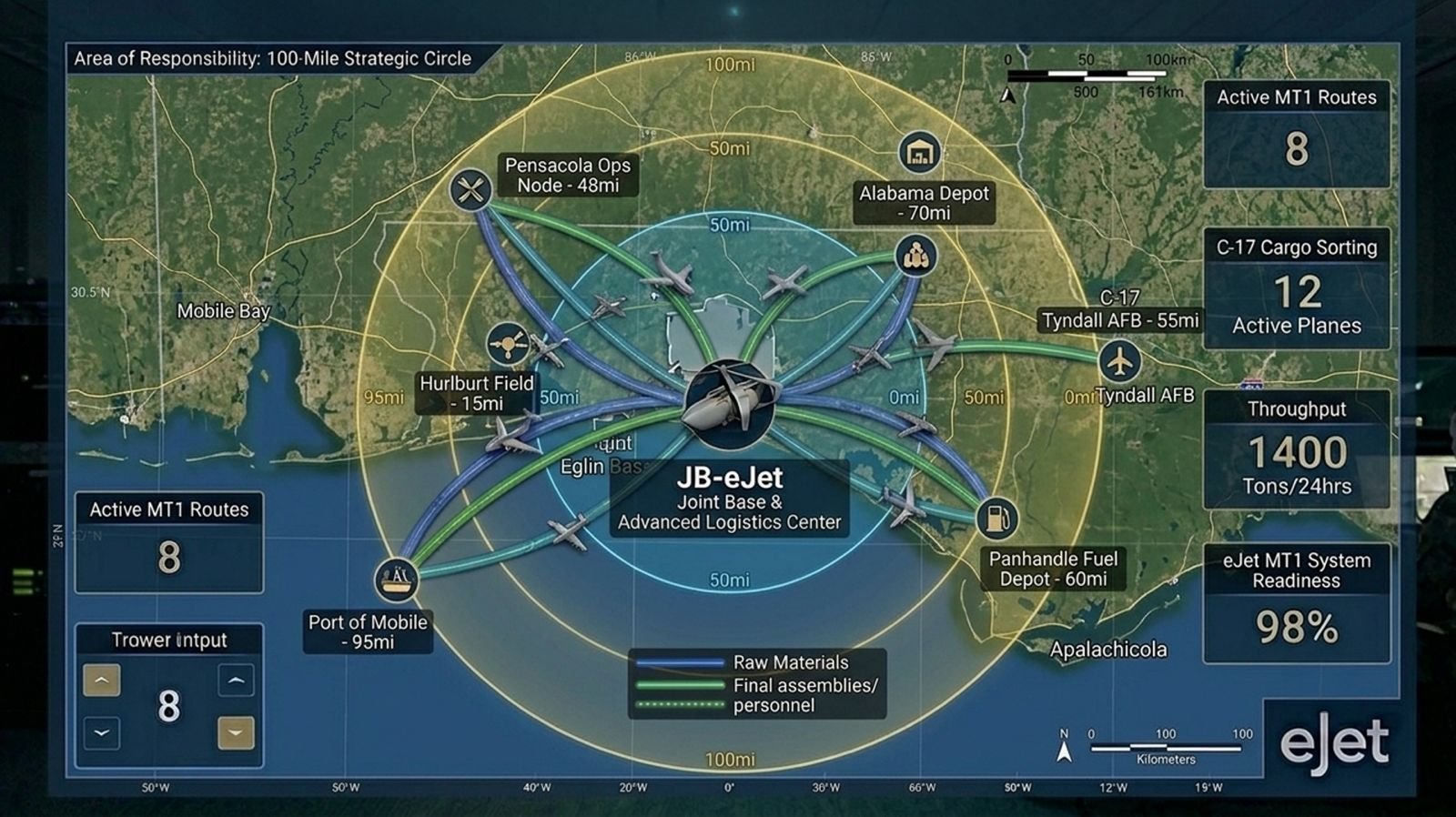
- Rapid Mass Deployment: 3 assembly lines at the eJet Center each produce 1 aircraft every 10 working days.